
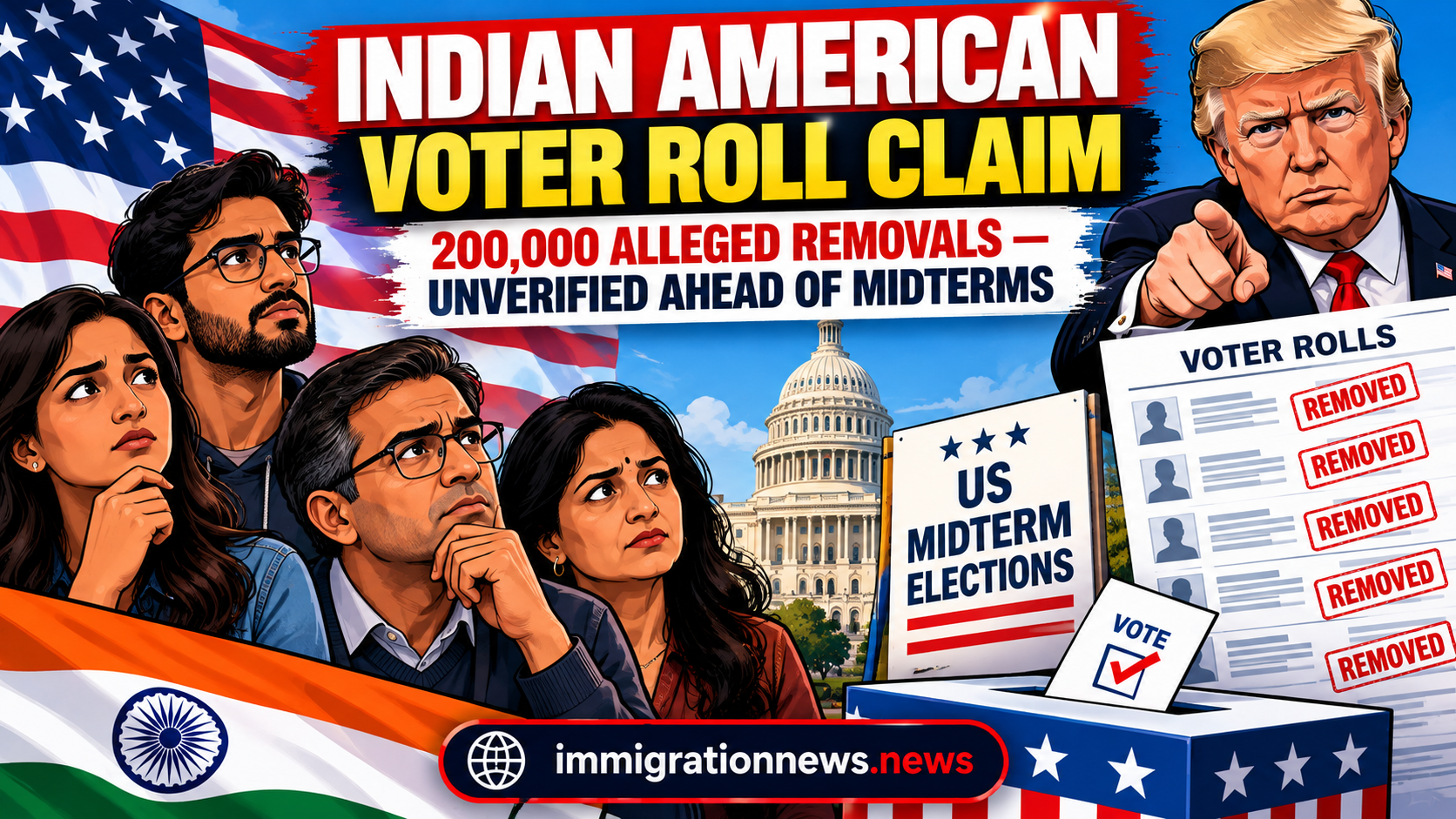
A report claiming that around 200,000 voters of Indian origin have been removed from voter lists in 26 Republican-governed states has drawn attention ahead of the November 3, 2026 midterm elections. The Indian American voter roll claim has not been independently verified, and the reporting reviewed so far does not establish that Indian Americans were specifically targeted.
The claim surfaced as the Trump administration’s voter-eligibility checks intensified debate over election security across the United States. The administration says the checks identify ineligible registrations, while critics warn that errors in voter-roll reviews could hit eligible American citizens.
Quick Highlights : Indian American Voter Roll Claim
- A report alleges roughly 200,000 Indian-origin voters were removed from rolls in 26 Republican-governed states
- The specific Indian American voter roll claim remains unverified in the sources reviewed
- The Trump administration says its eligibility checks aim to identify ineligible registrations and strengthen election security
- Critics say mistakes in voter-roll reviews could affect eligible citizens
- The 2026 midterm elections take place on November 3
- Available data on Indian American voting intentions reflects pre-election preferences, not a verified count of final votes
- It would be premature to conclude the checks target Indian Americans or aim to change election outcomes
What the Indian American Voter Roll Claim Says
According to the report, around 200,000 voters of Indian origin have been removed from voter lists in 26 states governed by Republicans. The Indian American voter roll claim has circulated widely in Indian media and on social platforms, but the sources reviewed do not confirm the figure, the states involved, or the reasons for any removals.
That gap matters. A number like 200,000 is large enough to be politically significant, so it deserves a documented source: state election records, court filings, or official voter-roll data. Until one is produced, the claim stays an allegation.
What Is Actually Confirmed
Several parts of the wider story are on firmer ground. The United States is in a renewed debate over voter registration and eligibility checks ahead of the November 3, 2026 midterms. The Trump administration says its efforts are meant to identify ineligible registrations and strengthen election security. Critics argue that errors in these reviews could remove eligible citizens from the rolls.
Those two positions are on the record. What isn’t established is whether Indian Americans have been removed in the numbers alleged, or whether any removals were aimed at them as a group.
Why the Indian American Voter Roll Claim Needs Careful Handling
Viral figures about voter removals can spread faster than the facts behind them. Reviewing the claim, three cautions apply.
First, a total of 200,000 across 26 states says nothing on its own about method. Voter-roll maintenance routinely removes people who have moved, died, or been found ineligible, and a count of removals doesn’t show whether any were wrongful.
Second, identifying voters as “Indian origin” is itself difficult. Voter registration in most states doesn’t record ethnicity or national origin, so any such tally would have to rely on name matching or other inference, which is imprecise.
Third, the voting-intention data circulating alongside the claim reflects pre-election preferences. It is not a verified count of how every Indian American voted, and it can’t support conclusions about motive.
For these reasons, concluding that the voter-roll checks specifically target Indian Americans, or are designed to change the midterm outcome, goes beyond what the evidence supports.
Indian American Voters in Context
Indian Americans are a small share of the national electorate but a visible one. Earlier surveys put them at roughly 1% of registered voters, and those same surveys found a majority leaning Democratic, with Republicans trying to build support through outreach and ties to India. Analysts at the time noted that in some swing states the community’s numbers were larger than past margins of victory, which is why both parties court it.
These figures come from earlier election cycles. They show why the community draws attention, but they don’t describe current registration or voting patterns in 2026.
Why This Matters for Indian Americans and the Diaspora
Even where a claim can’t be verified, it can affect behaviour. Voters who believe their registration was removed may stay home, while others may worry unnecessarily. Election officials and voting-rights groups generally advise the same practical step: check your own registration status directly rather than relying on circulating figures.
The broader issue also matters to many people in the diaspora, including those with US citizenship and those following US politics from India. Questions about the accuracy of voter rolls apply to every voter, and the Indian American voter roll claim is one example of a wider argument about how eligibility checks should balance security against access.
What Voters Should Do Now
Anyone registered to vote ahead of November 3 can take a few direct steps:
- Check registration status through the official state election website or voter lookup tool
- Confirm that name, address, and other details match current records
- Re-register or update details well before the state’s registration deadline if anything is wrong
- Learn the state’s rules on provisional ballots, which let a voter cast a ballot while eligibility is checked
- Report problems to the state election office or local election official
Deadlines and rules vary by state, so voters should rely on official state sources rather than social media figures.
What to Watch Next After Indian American Voter Roll Claim
Several developments would settle or clarify the story. Documentation of the 200,000 figure, including which states and what records support it, would show whether the Indian American voter roll claim holds up. Court filings or state election-office statements about specific removals would add detail. Independent analysis of voter-roll changes by researchers or election-law groups could show whether any group was disproportionately affected.
Until then, readers should treat the claim as unconfirmed while still taking seriously the underlying question of how voter rolls are maintained.
Key Takeaways Of Indian American Voter Roll Claim
The Indian American voter roll claim alleges that about 200,000 Indian-origin voters were removed from rolls in 26 Republican-led states, but no reviewed source verifies the number, and nothing established shows Indian Americans were singled out. What is documented is a heated national debate over voter-eligibility checks before the November 3 midterms, with the administration citing election security and critics warning of errors that could affect eligible citizens. Voters can protect themselves by checking their registration through official state channels well before their deadline.
FAQs : Indian American Voter Roll Claim
Is it confirmed that 200,000 Indian American voters were removed from voter lists?
No. The Indian American voter roll claim comes from a report, and the sources reviewed describe it as unverified. No official data confirming the number or the states involved was found.
Are voter-roll checks targeting Indian Americans?
There is no verified evidence of that. Concluding the checks target Indian Americans or aim to change the midterm result would be premature based on the information available.
Why is the Trump administration checking voter eligibility?
The administration says the checks identify ineligible registrations and strengthen election security. Critics say errors in the reviews could remove eligible citizens.
When are the 2026 midterm elections?
The midterm elections take place on November 3, 2026.
How can I check whether my voter registration is still active?
Use your state’s official election website or voter lookup tool, confirm your details, and update or re-register before your state’s deadline if anything is wrong.
Source : Dainik Bhaskar
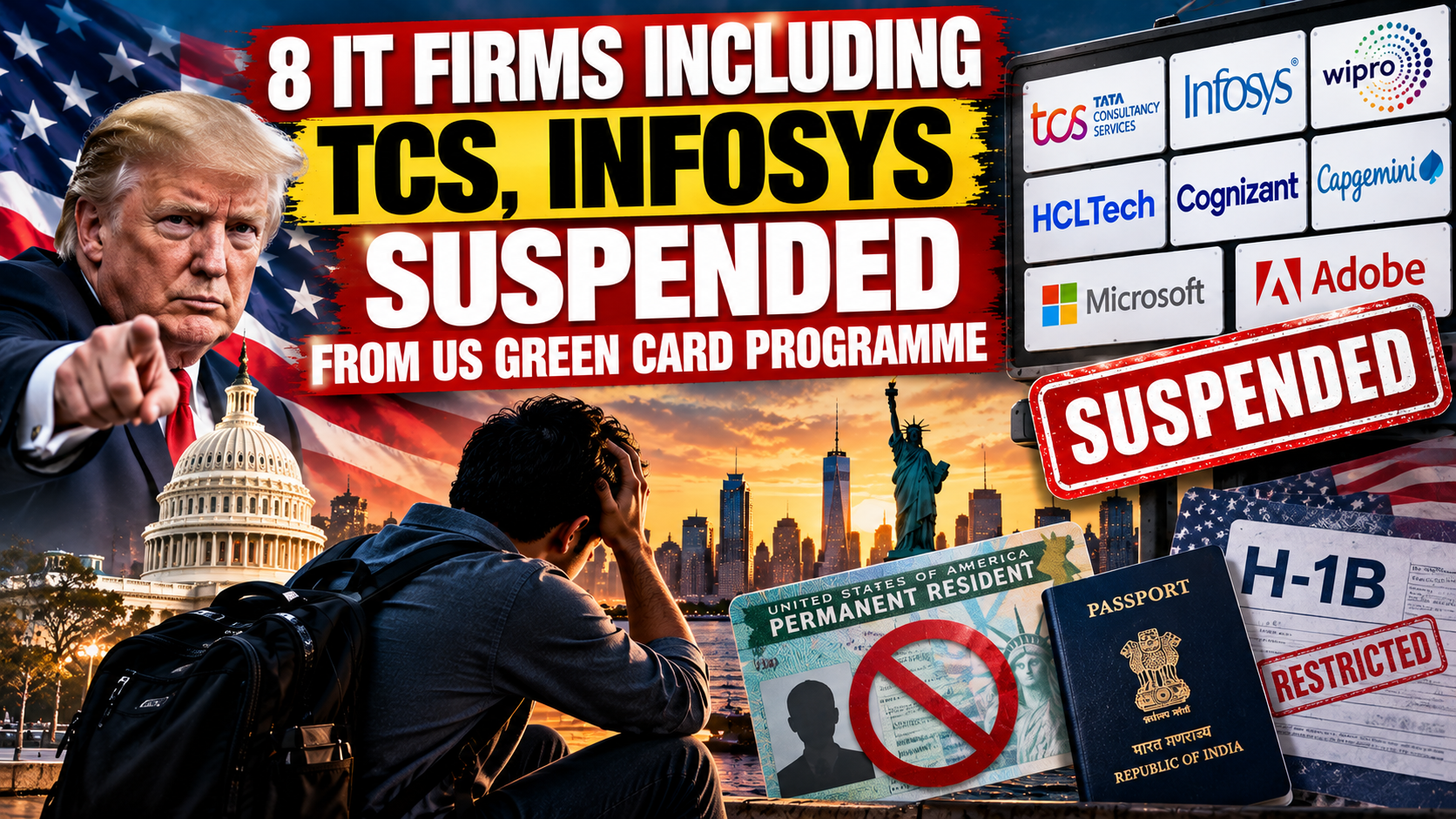
Read About : PERM Suspension for Indian IT Companies: How 8 IT Firms Green Card Restrictions Could Affect Indian Professionals


One thought on “Indian American Voter Roll Claim: 200,000 Removals Alleged, But Unverified”