


The New Zealand dependent child visa rules are changing from November 12, 2026, making it more difficult for parents to obtain residence if their dependent children are unlawfully staying in the country.
Immigration New Zealand (INZ) announced the change on November 10, confirming that parents and other secondary applicants will generally no longer be granted residence while a dependent child remains unlawfully in New Zealand.
Under the revised policy, families must address their children’s immigration status before their residence applications can be approved. INZ will give applicants an opportunity to respond to concerns about a child’s immigration status before making a final decision.
The New Zealand dependent child visa rules will apply to residence applications submitted on or after November 12, 2026. Applications lodged before that date will continue to be assessed under the immigration instructions in force when they were submitted.
The change is particularly important for migrant families whose children are in New Zealand on temporary visas that have expired or who cannot meet the requirements for a further visa.
New Zealand Dependent Child Visa Rules: What Is Changing from November 12?
Under the previous immigration rules, a parent could receive residence even if their dependent child was unlawfully present in New Zealand.
This situation could arise when a child entered the country on a short-term visa but could not qualify for a longer-term visa because they failed to meet certain requirements, such as the Acceptable Standard of Health (ASH).
In such cases, parents could obtain residence while their child’s immigration status remained unresolved. This sometimes resulted in different immigration outcomes for members of the same family.
The revised New Zealand dependent child visa rules change this approach.
From November 12:
- Parents will generally not be granted residence while their dependent child remains unlawfully in New Zealand.
- Other secondary applicants included in the residence application will also be affected.
- Families will need to regularise the child’s immigration status or ensure the child leaves New Zealand.
- INZ will provide an opportunity to respond to concerns before making a final decision.
- Specific exceptions will continue to apply to certain applicants and family circumstances.
The policy is intended to prevent situations where parents receive residence while their dependent children remain without lawful immigration status.
Which Residence Applications Will Be Affected?
The new New Zealand dependent child visa rules apply to residence visa applications submitted on or after November 12, 2026.
The date of application is important because it determines which immigration instructions will apply.
| Application situation | Applicable rules |
|---|---|
| Residence application submitted before November 12, 2026 | Previous immigration rules apply |
| Residence application submitted on or after November 12, 2026 | New dependent-child rules apply |
| Dependent child has a valid visa | The unlawful-status restriction does not apply on that basis |
| Dependent child remains unlawfully in New Zealand | Parent’s residence application may be affected |
| Child obtains another valid visa or leaves New Zealand | The application may proceed, subject to all other requirements |
Applicants who have already submitted their residence applications before the deadline will not be moved automatically into the new policy.
However, families planning to submit applications on or after November 12 should review their children’s visa status before applying.
What Happens If a Dependent Child’s New Zealand Visa Has Expired?
INZ has advised parents to check their children’s visa conditions and expiry dates carefully.
A child must hold a valid visa or be a New Zealand citizen to remain lawfully in the country.
If a child’s visa expires and they continue staying in New Zealand without another valid visa, they become unlawfully present.
Under the updated New Zealand dependent child visa rules, this can prevent a parent and other secondary applicants from receiving residence until the situation is resolved.
Parents should take the following steps:
- Check the child’s eVisa and passport for the visa expiry date.
- Confirm whether the child has been granted another visa.
- Review whether the child qualifies for a different visa category.
- Seek advice about the available options if the child is already unlawfully present.
- Contact a qualified immigration professional where the family’s circumstances are complicated.
INZ also warns that children who remain in New Zealand after their visas expire may become liable for deportation.
Can a Child Apply for Another Visa After Becoming Unlawful?
A person who is unlawfully present in New Zealand generally cannot apply for a visa through the usual application process.
However, there may be another option under Section 61 of the Immigration Act 2009.
Section 61 allows a person who is unlawfully in New Zealand to request a visa from the Minister of Immigration. The decision is discretionary, meaning INZ is not required to consider or grant the request.
A Section 61 request does not guarantee that a child will receive a visa or that their immigration status will be regularised.
Parents should therefore seek appropriate immigration advice before deciding how to proceed.
The new New Zealand dependent child visa rules make it particularly important to address an expired visa before it creates complications for the wider family’s residence application.
Exceptions Under the New Zealand Dependent Child Visa Rules
The revised policy does not apply in exactly the same way to every family. INZ has identified specific exceptions.
Second or Subsequent Resident Visa and Permanent Resident Visa
Parents applying for certain follow-up residence documents may still be eligible even if a dependent child is unlawfully present in New Zealand.
The exceptions include applications for:
- Second or Subsequent Resident Visas.
- Permanent Resident Visas.
- Australian Resident Visas.
Applicants must still satisfy the other requirements applicable to their chosen visa.
Dependent Children Aged 15 or Younger
An additional exception may apply when a dependent child is aged 15 or younger and the parent does not have the legal right to remove the child from the relevant country.
This may apply where the parent does not have the legal right to remove the child from:
- The country where custody or visitation rights were granted; or
- The child’s country of residence.
INZ may request supporting evidence, such as custody or court documents, before deciding whether the exception applies.
These exceptions are important because they recognise that some parents may not have the legal authority to make decisions about a child’s international relocation.
What If the Child’s Visa Expires While the Residence Application Is Being Processed?
The timing of a child’s visa expiry can have a direct impact on the family’s residence application.
According to INZ guidance, the outcome can depend on whether the child is included in the parent’s application.
If the child is included in the application:
The residence application must be put on hold until the child obtains another valid visa or leaves New Zealand.
If the child is not included or is removed from the application:
The parent’s residence application will be declined if the child continues to remain unlawfully in New Zealand, unless an applicable exception applies.
If the child leaves New Zealand:
The parent’s residence application may be approved if all other immigration requirements are satisfied.
Parents should not assume that removing a child from a residence application will resolve the issue if the child continues to remain unlawfully in the country.
Will Applicants Get an Opportunity to Explain Their Circumstances?
Yes. INZ has confirmed that applicants will be given an opportunity and sufficient time to respond to concerns about their dependent child’s immigration status before a final decision is made.
This means families may be able to provide additional information or evidence explaining the child’s circumstances.
For example, parents may need to provide:
- Evidence of the child’s current or previous visa status.
- Documents relating to a new visa application.
- Evidence that the child has left New Zealand.
- Custody or court documents where an exception is being claimed.
- Other relevant information requested by INZ.
A residence application that is declined may also be subject to an appeal to the Immigration and Protection Tribunal where applicants believe special circumstances apply and the relevant appeal requirements are met.
The New Zealand dependent child visa rules therefore allow an opportunity to respond, but this should not be treated as a guarantee that an application will be approved.
What Should Migrant Families in New Zealand Do Now?
Families planning to apply for residence should review the immigration status of every dependent child before submitting an application.
The November 12 change makes it important to check not only the principal applicant’s eligibility but also whether each dependent child is lawfully present in New Zealand.
Parents should:
- Check visa expiry dates: Confirm the validity of each child’s visa and any applicable conditions.
- Review pending applications: Check whether a separate visa application has been submitted for the child.
- Address expired visas: Seek advice about the available options if a child is already unlawfully present.
- Review custody arrangements: Obtain relevant legal documents if the parent may qualify for the under-16 exception.
- Understand the application deadline: Confirm whether the residence application was submitted before or after November 12, 2026.
- Seek professional advice: Consult a qualified New Zealand immigration adviser or lawyer where the child’s status could affect the family’s residence application.
Families with complicated circumstances should avoid delaying action until INZ raises concerns during residence processing.
FAQs : New Zealand Dependent Child Visa Rules
When do the new New Zealand dependent child visa rules take effect?
The changes take effect on November 12, 2026, and apply to residence visa applications submitted on or after that date.
Can parents get New Zealand residence if their child has an expired visa?
Generally, no. Under the revised rules, parents and other secondary applicants will not be granted residence while a dependent child remains unlawfully in New Zealand, unless an applicable exception applies.
Will applications submitted before November 12 be affected?
No. Residence applications submitted before November 12, 2026, will continue to be assessed under the immigration instructions that applied when they were lodged.
Can an unlawfully present child apply for a visa in New Zealand?
Generally, a person who is unlawfully in New Zealand cannot apply through the normal visa application process. A request under Section 61 of the Immigration Act 2009 may be possible in certain circumstances, but approval is discretionary.
Is there an exception for children aged 15 or younger?
Yes. An exception may apply if the child is aged 15 or younger and the parent does not have the legal right to remove the child from the country where custody or visitation rights were granted or from the child’s country of residence.
Can parents apply for a Permanent Resident Visa if their child is unlawful?
INZ identifies Permanent Resident Visa applications as an exception to the new restriction. Applicants must still meet all other applicable requirements.
What happens if a child’s visa expires while the parent’s residence application is pending?
If the child is included in the application, the application must be put on hold until the child obtains another valid visa or leaves New Zealand. If the child is not included or is removed and remains unlawfully in New Zealand, the parent’s application will be declined unless an exception applies.
Conclusion on New Zealand Dependent Child Visa Rules
The updated New Zealand dependent child visa rules introduce an important change for migrant families planning to obtain residence. From November 12, 2026, parents and other secondary applicants will generally need to resolve a dependent child’s unlawful immigration status before residence can be granted.
The change makes visa expiry dates, dependent-child eligibility and family immigration arrangements more important than ever.
Parents should review their children’s visa status, seek advice where necessary and take reasonable steps to regularise their children’s immigration position before submitting a residence application.
For families already dealing with an expired dependent-child visa, understanding the available options and applicable exceptions will be essential to avoiding complications with their New Zealand residence plans.
Source : Business Today
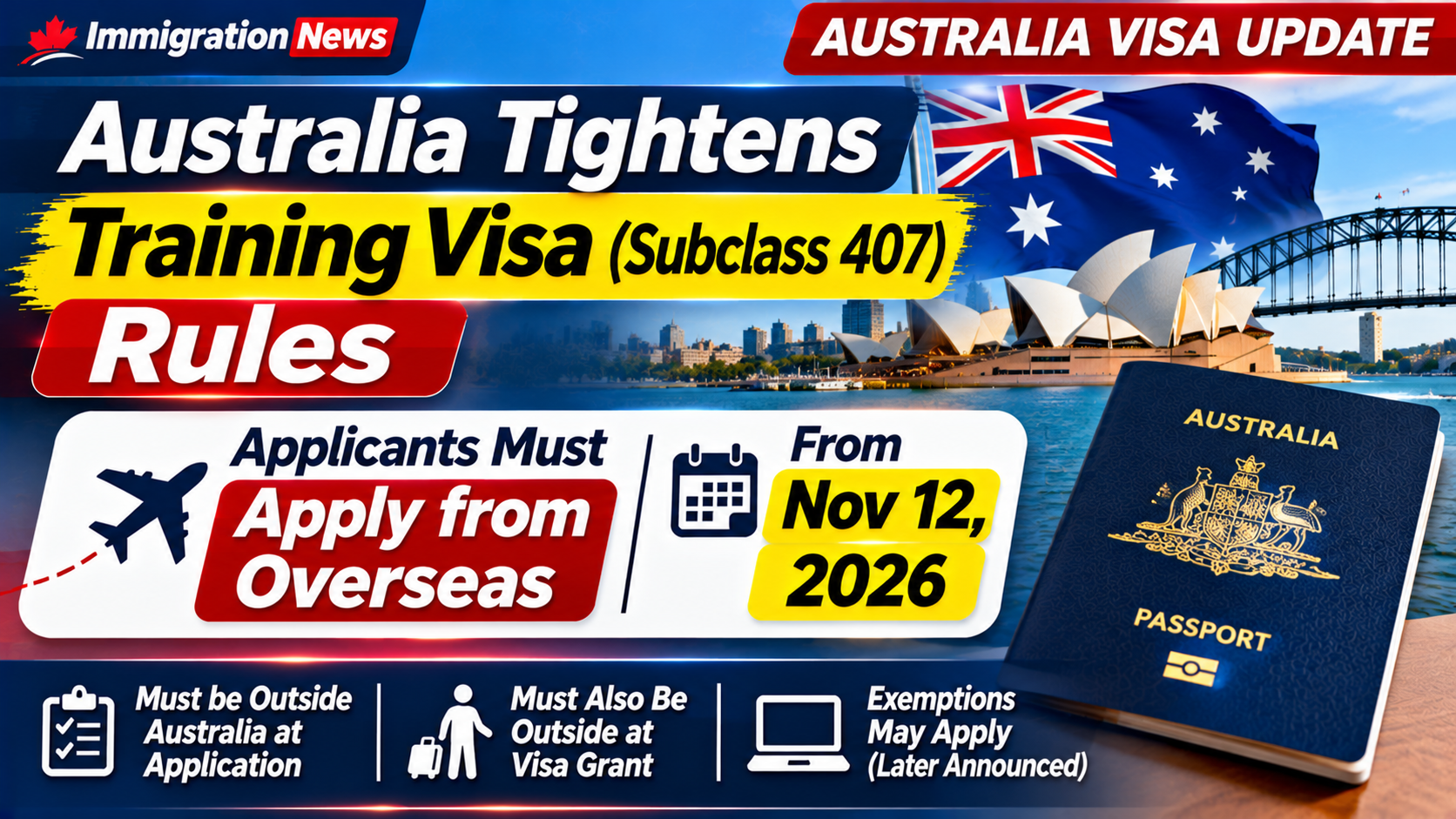
Read About : Australia Training Visa 407 Changes: Applicants Must Apply from Overseas from November 12



One thought on “New Zealand Dependent Child Visa Rules Tighten: Parents Could Lose Residence Eligibility from November 12”