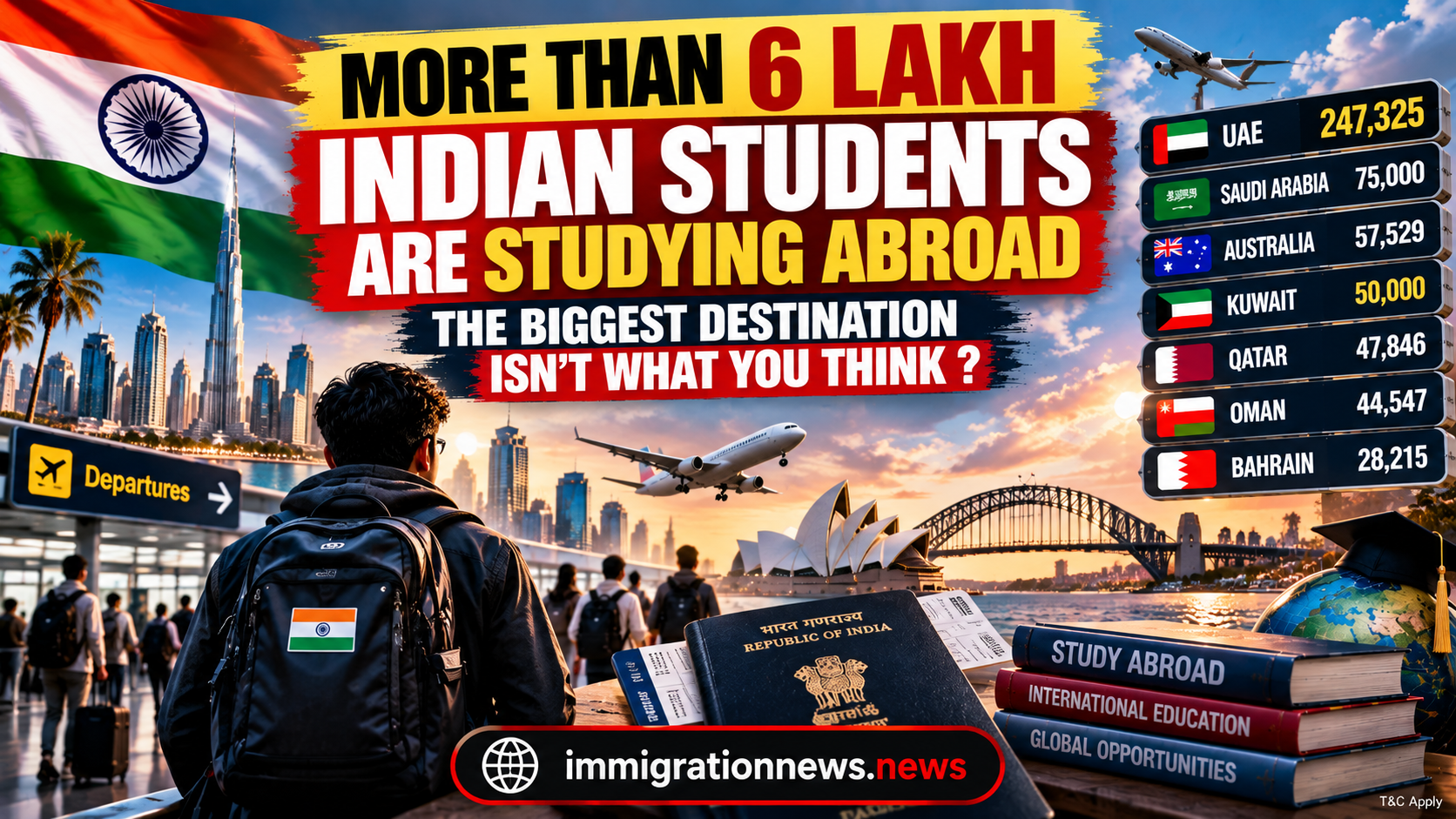
If you want to study abroad from India, the smartest way is to begin planning 12 to 18 months before your target intake. The process usually includes selecting the right country and course, preparing for IELTS/TOEFL or other entrance exams, arranging finances, preparing documents like SOP and LOR, applying to universities, securing admission, and finally applying for a student visa.
For Indian students in 2026, studying abroad is more competitive than ever—but with the right roadmap, it is absolutely achievable.
Quick Summary : Study Abroad from India In 2026
| Step | Timeline | What to Do |
|---|---|---|
| Research | 12–18 months before | Choose country, course, budget |
| Exams | 10–12 months before | IELTS, TOEFL, GRE, GMAT, SAT |
| Documents | 8–10 months before | SOP, LOR, passport, transcripts |
| Applications | 6–9 months before | Apply to universities |
| Visa & Funds | 3–6 months before | Loan, GIC, bank proof, visa |
| Final Move | 1–3 months before | Flights, accommodation, insurance |
Why More Students Are Choosing to Study Abroad From India in 2026
Thousands of students study abroad from India for better education, global exposure, work opportunities, and long-term settlement pathways.
Top reasons include for Study Abroad from India In 2026:
- Internationally recognized degrees
- Better career opportunities
- Higher salaries after graduation
- Research-focused learning
- Post-study work visas
- Permanent residency pathways in some countries
Popular destinations include:
- Canada
- Australia
- United Kingdom
- United States
- Germany
- Ireland
Step 1: Decide Why You Want to Study Abroad from India In 2026
Before choosing a country, ask yourself:
Do you want:
- Better job opportunities?
- PR opportunities later?
- Research-based education?
- Lower tuition costs?
- Fast career growth?
- Exposure to global companies?
Your answer decides the right country and course.
Example:
- Want PR + work opportunities → Canada / Australia
- Want top-ranked universities → USA / UK
- Want low tuition → Germany
- Want booming tech jobs → Ireland / Canada
Step 2: Choose the Right Course
Many students make the mistake of choosing only a country. The smarter approach is choosing the right course first.
Best Courses for Indian Students in 2026
| Field | Popular Courses |
|---|---|
| IT / Tech | Data Science, AI, Cybersecurity |
| Business | MBA, Finance, Marketing |
| Engineering | Mechanical, Civil, Software |
| Healthcare | Nursing, Public Health |
| Creative | Design, Media, Animation |
| Trades | Construction, Hospitality |
Pro Tip:
Choose a course linked to labour market demand. It improves job chances later.
Step 3: Select the Best Country for Your Profile
Country Comparison for Indian Students
| Country | Tuition Range | Work Rights | PR Potential |
|---|---|---|---|
| Canada | Medium | Strong | High |
| Australia | Medium-High | Strong | High |
| UK | Medium-High | Good | Moderate |
| USA | High | Strong | Competitive |
| Germany | Low | Good | Moderate |
| Ireland | Medium | Strong | Growing |
Step 4: Check Eligibility Requirements
Undergraduate Students
Usually need:
- Strong 12th marks (70%+)
- IELTS / TOEFL
- SOP
- Financial proof
Postgraduate Students
Usually need:
- Bachelor’s degree
- 55%–70%+ depending on university
- IELTS / TOEFL
- Resume
- SOP
- LOR
MBA Students
Often need:
- Work experience
- GMAT (some cases)
- Leadership profile
Step 5: Prepare for IELTS / TOEFL / PTE
English language proficiency is mandatory for most countries.
Popular Exams
| Exam | Accepted In |
|---|---|
| IELTS | UK, Canada, Australia, many others |
| TOEFL | USA, global universities |
| PTE | Australia, UK, Canada (many institutions) |
| Duolingo | Some universities |
Recommended Scores
- IELTS 6.0–6.5 = Many colleges
- IELTS 7.0+ = Stronger universities
- Higher score = Better admission chances
Pro Tip:
Start preparation early. Language score often decides admission speed.
Step 6: Entrance Exams (If Required)
Some universities may ask for:
- SAT / ACT → Undergraduate
- GRE → Masters
- GMAT → MBA
Many universities in 2026 have become test-flexible, but top programs may still prefer strong scores.
Step 7: Build Your Documents
This is where many students lose opportunities.
Required Documents Checklist
Academic
- 10th marksheet
- 12th marksheet
- Degree transcripts
- Provisional certificate
Personal
- Passport
- Resume/CV
- Passport photos
Admission
- SOP (Statement of Purpose)
- LOR (Letters of Recommendation)
- Work experience letters (if applicable)
Step 8: Write a Strong SOP
Your Statement of Purpose should explain:
- Why this course?
- Why this university?
- Why this country?
- Career plans after graduation
- Why you are a genuine student
Biggest SOP Mistakes
- Copy-paste templates
- Weak career logic
- Unrealistic claims
- Grammar mistakes
A strong SOP can change results.
Step 9: Apply to Universities
Apply 6–9 months before intake.
Popular Intakes
| Intake | Start Month |
|---|---|
| Fall | August / September |
| Spring | January / February |
| Summer | Limited |
How Many Universities Should You Apply To?
Best strategy:
- 2 Dream universities
- 3 Safe universities
- 2 Balanced universities
Total: 5–7 applications
Step 10: Understand Tuition Costs
Average Annual Tuition (2026)
| Country | Tuition (Approx.) |
|---|---|
| Canada | ₹10–25 lakh |
| Australia | ₹15–30 lakh |
| UK | ₹15–35 lakh |
| USA | ₹20–45 lakh |
| Germany | ₹1–8 lakh |
| Ireland | ₹12–28 lakh |
Varies by course and university.
Step 11: Arrange Finances
You need proof you can pay tuition + living costs.
Common Sources
- Family savings
- Education loan
- Scholarships
- Sponsor funds
Popular Education Loan Options in India
- Public sector banks
- Private banks
- NBFC lenders
Step 12: Scholarships for Indian Students
Many students ignore scholarships.
Popular Types
- Merit scholarships
- Need-based aid
- University scholarships
- Country scholarships
Examples include:
- Fulbright-Nehru
- Chevening
- Commonwealth
- University entrance scholarships
Even partial scholarships help reduce burden.
Step 13: Receive Offer Letter
After application, universities may issue:
- Conditional Offer
- Unconditional Offer
Conditional means you still need:
- Final marksheets
- IELTS score
- Deposit payment
Step 14: Accept Admission & Pay Deposit
Once you finalize:
- Accept offer
- Pay tuition deposit
- Receive visa documents
Examples:
- UK → CAS Letter
- USA → I-20
- Canada → LOA
- Australia → CoE
Step 15: Apply for Student Visa
This is one of the most critical stages.
Visa Needs Usually Include:
- Offer letter
- Passport
- Funds proof
- Tuition payment proof
- SOP / GTE / GSR (country dependent)
- Medical exam
- Biometrics
Country-Specific Notes
Canada
- Study permit required
- PAL may apply depending on rules
- Strong financial proof needed
UK
- Student visa with CAS
Australia
- Genuine Student requirement
- OSHC insurance mandatory
USA
- F1 visa interview required in many cases
Step 16: Accommodation & Flights
Once visa is approved:
Book:
- Student housing
- Shared apartment
- Homestay
- Temporary hotel if needed
Flights
Book early for lower fares.
Step 17: Insurance & Medical
Some countries require mandatory insurance:
- Australia → OSHC
- USA → University health insurance often required
- Canada → Provincial/private depending province
Step 18: Prepare for Arrival
Before flying:
Carry Documents Folder
- Passport
- Visa letter
- Offer letter
- Tuition receipts
- Accommodation details
- Emergency contacts
Also Carry:
- Forex card
- International SIM plan
- Winter clothing if needed
Biggest Mistakes Indian Students Make
1. Applying Too Late
Late applicants face fewer seats.
2. Choosing Wrong Course
Don’t choose random diplomas without career value.
3. Weak Financial Planning
Many students ignore living expenses.
4. Copy-Paste SOP
Universities detect generic essays.
5. Falling for Fake Agents
Always verify consultants.
Should You Use a Consultant?
You can apply yourself or use a trusted counselor.
Good consultants may help with:
- University selection
- Applications
- Visa paperwork
But never rely blindly.
Always read everything before signing.
Expert Advice for 2026 Students
The best students now focus on ROI, not only rankings.
Ask:
- Will this degree lead to jobs?
- Is tuition affordable?
- Are PR options realistic?
- Is the city student-friendly?
Smart planning beats emotional decisions.
Best Timeline to Study Abroad from India
| Time Before Intake | Action |
|---|---|
| 18 months | Research countries |
| 12 months | IELTS/GRE prep |
| 10 months | Exams |
| 8 months | Documents ready |
| 6 months | Applications |
| 4 months | Offer accept |
| 3 months | Visa apply |
| 1 month | Flights & move |
FAQs : Study Abroad from India In 2026
1. How early should I start planning to study abroad from India?
Ideally 12 to 18 months before intake.
2. Which country is best to Study Abroad from India In 2026?
Depends on goals: Canada and Australia remain strong for work + PR, UK and USA for top education.
3. Is IELTS mandatory to Study Abroad from India In 2026?
Often yes, but some universities accept alternatives.
4. How much money is needed to Study Abroad from India In 2026?
Depends on country, but many students need ₹15 lakh to ₹40 lakh+ overall.
5. Can average students study abroad?
Yes. Many universities accept moderate academic profiles with strong SOP and finances.
Final Take On Study Abroad from India In 2026To
To Study Abroad from India In 2026 is no longer just a dream—it is a structured process.
The students who succeed are not always toppers. They are usually the ones who:
- Start early
- Choose wisely
- Prepare documents properly
- Plan finances carefully
- Apply strategically
In 2026, opportunities still exist worldwide—but competition is rising fast.
If you prepare early, your chances improve dramatically.
Read About : Study Visa vs Work Visa vs PR (2026): Which Immigration Path Is Right for You?